

Smarter Cannabis Video Surveillance Designed Around Your Business
By Stephen Arndt, President, Cannabis Technology Partners
In cannabis, video surveillance should be more than a tangle of cables and a wall of screens you hope you never have to use. It’s a regulatory requirement, a risk management tool, and—done right—a way to protect your margins and your people.
But here’s the pattern we see over and over:
- A business buys a “complete camera kit” from a vendor or big-box store
- Someone bolts cameras where it seems convenient
- Regulators raise questions… or an incident happens…
- Then the business calls us
By that point, you’ve already spent money. Our job is to make sure you don’t have to spend it twice.
As a longtime CIO in heavily regulated industries, I don’t start with “Which cameras do you want?” I start with a different question:
“What are you trying to protect, and what would you need to see on video if something went wrong?”
From there, we design cannabis video surveillance systems that fit your operations, regulations, and budget—using as much of what you already own as we can.
If you’re looking for state-by-state specifics (Oregon, California, Washington, and Colorado), you can also read our Cannabis Video Surveillance Guide for Dispensaries in Oregon, California, Washington, and Colorado.
Important Note on Regulations
Cannabis security and video surveillance rules change frequently and differ by state. This article is for planning and educational purposes only and does not constitute legal advice. Always confirm current requirements with your state regulator and review them alongside our
Cannabis Security Compliance by State before finalizing your surveillance design.
The Problem: Cameras First, Strategy Later
Most cannabis companies don’t wake up thinking, “Let’s design a surveillance architecture today.” You’re thinking about:
- Opening a new dispensary
- Expanding a grow or processing line
- Getting through inspections
- Managing cash and inventory across locations
Somewhere in that mix, someone says, “We need cameras,” and the buying starts.
The common outcomes:
- Mismatched gear – different brands, resolutions, and ages all patched together
- Over-buying in the wrong places – 4K cameras watching empty hallways while POS or vault areas are grainy
- Under-buying where regulators care – missing coverage at back doors, waste areas, storage, or cash handling
- No clear retention strategy – the NVR fills up and starts overwriting before you hit state requirements
- No roadmap – what made sense for one store doesn’t scale to three, five, or ten
The result: you’ve spent real money and still don’t have the cannabis video surveillance system design you thought you were buying, or the security and compliance it should provide.
A CIO Approach to Cannabis Video Surveillance System Design
My background is as a Chief Information Officer—which means I’m used to thinking in terms of risk, operations, and long-term strategy, not one-off purchases.
When Cannabis Technology Partners designs or rescues a surveillance system, we start with three lenses:
- Regulatory lens
What does your state (or states) actually require for resolution, retention, and coverage?
For a deeper dive on state differences, find more information at Cannabis Video Surveillance Guide for Dispensaries in Oregon, California, Washington, and Colorado.
- Operational lens
How do you really use your space? Where do product, cash, and people move day-to-day? - Financial lens
What do you already own, and how do we get maximum value out of that before we recommend new spend?
Because we also provide virtual CIO services for cannabis businesses, we’re always thinking beyond the camera spec sheet. We design surveillance as part of a bigger IT and risk strategy—not just a project for “the camera guy.”
Then we design options—not ultimatums.
Step 1: Audit What You Already Have
We almost never walk in and say, “Rip everything out.” Instead, we do a structured assessment.
1. Equipment inventory
- How many cameras? What brands and models?
- Are they IP, analog, or a mix?
- What’s your NVR/DVR capacity and current retention in days?
2. Coverage mapping
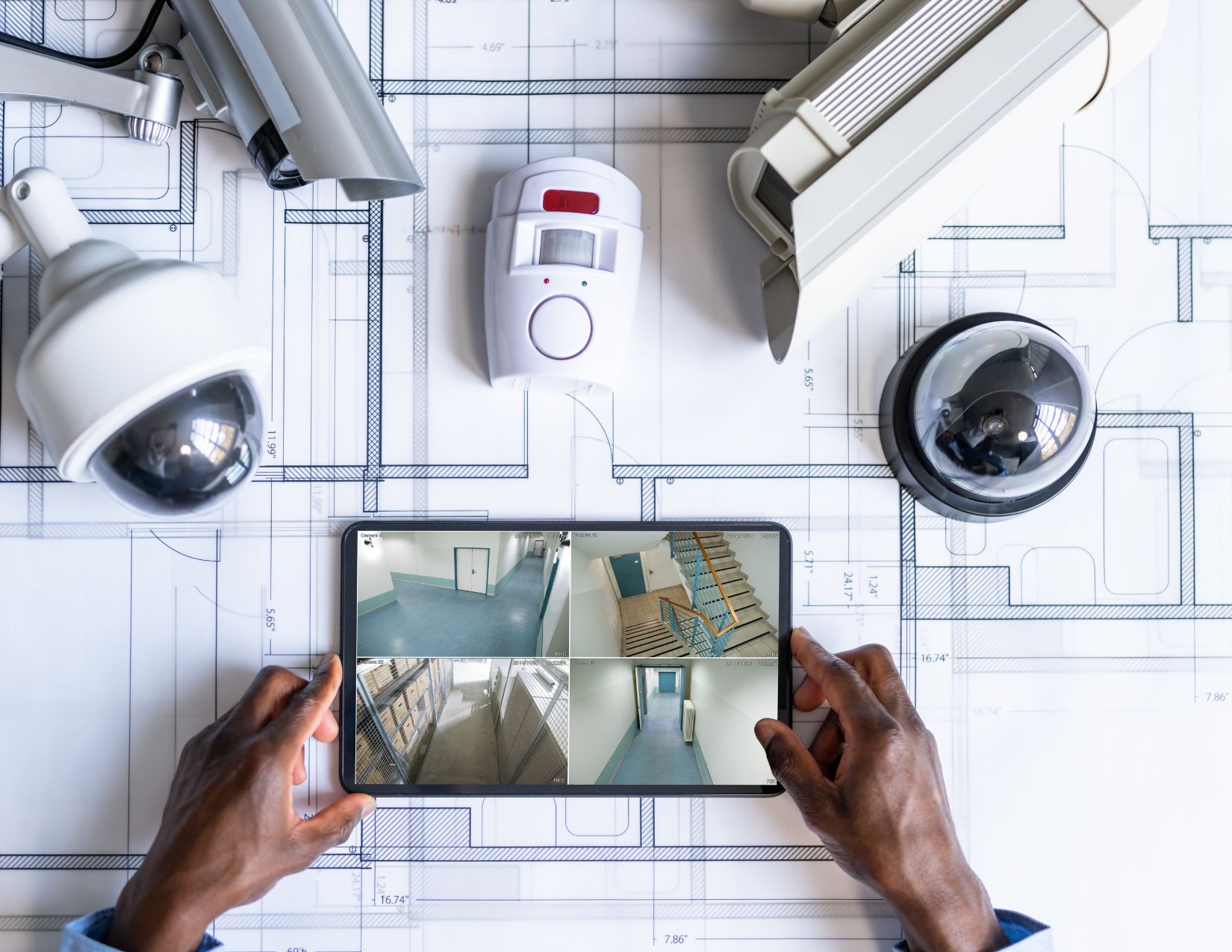
- We put your floor plan on the table
- Map every camera to its actual field of view
- Identify blind spots at entrances, POS, inventory, vault/cash rooms, back doors, and waste areas
3. Quality and compliance check
- Is the footage clear enough to identify faces and actions?
- Does your resolution and frame rate realistically support state requirements?
- Are you meeting or missing retention (40, 45, 90 days, etc.)?
4. Cyber and reliability review
- Are default passwords still in use?
- Is the surveillance network segmented from everything else?
- Do you have any monitoring to know if a camera dies, or do you find out during an inspection?
Very often, 50–80% of what you’ve bought can be reused—it’s just in the wrong place, configured the wrong way, or overloaded on storage.
If you want to dig into maintenance, lighting, backup, and other often-overlooked parts of cannabis video surveillance, you can link that phrase to your existing “overlooked surveillance” blog.
Step 2: Present Strategic Options, Not Just a “Fix-It” Quote
Instead of one big “take it or leave it” proposal, we act like the CIO on your team and give you choices.
A typical design conversation includes three levels:
Option 1: Optimize What You Already Own
- Reposition cameras to cover regulator-critical zones
- Adjust resolution, frame rate, and storage for retention compliance
- Tighten passwords, firmware, and network settings for basic security hygiene
- Add a minimal number of cameras only where you have true gaps
This is the “make your current investment actually work” path.
Option 2: Hybrid Upgrade (Reuse + Strategic Replacements)
- Keep good cameras in low-risk areas (hallways, general floor)
- Introduce higher-resolution cameras at entrances, POS, vault, and waste
- Add better NVR or cloud storage to support state retention with buffer
- Begin integrating with access control and POS, so video backs up your data
This is where you start thinking beyond basic compliance into incident response and shrink reduction.
Option 3: Future-Ready, Multi-Site Design
- Standardize models, settings, and layouts across locations
- Implement centralized monitoring, health alerts, and unified retention policies
- Design for new stores or expansions so you’re not starting from scratch each time
- Tie video into your broader IT and security roadmap—which is where my CIO experience really comes in
This approach pays off when you’re growing into multiple locations or states and need systems that scale.
Step 3: Phase It to Your Budget and Risk
Even the best cannabis video surveillance system design falls apart if it’s “all or nothing.”
We help you prioritize in phases:
Phase 1 – Red zones
- POS
- Entrances and exits
- Vault/cash areas
- Back doors
- Waste handling
Fix obvious compliance gaps and high-risk blind spots first.
Phase 2 – Operational visibility
- Inventory rooms
- Production/processing areas
- Parking lots and exterior spaces
Improve investigations, dispute resolution, and shrink control.
Phase 3 – Standardization & integration
- Consistent camera layouts and naming conventions
- Integrated access control, alarms, POS, and seed-to-sale data
That way, you’re always moving toward a stronger posture—without blowing up your budget in a single quarter.
Tailored Design by Facility Type
We also design differently for dispensaries, grows, and manufacturers because their risk profiles are not the same.
Dispensaries
- Emphasis on POS visibility, cash handling, customer flow, and queue management
- Clear coverage of product displays, back-of-house storage, and waste
- Strong entrance/exit views for investigations and liability protection
Grow Facilities
- Perimeter and fence-line monitoring
- Coverage of grow rooms, dry/cure areas, and trim/pack rooms
- Focus on waste, employee-only zones, and transfer points between rooms or buildings
Manufacturers / Processors
- Cameras on production lines and batch handling
- Loading docks, shipping, and receiving
- Detailed coverage of packaging, labeling, and finished goods storage
The tech might be similar, but the design is always specific to how your facility works.
Using What You Have Without Compromising Compliance
One of the most important conversations we have with clients is this:
“What can we responsibly keep, and what absolutely needs to change to protect your license?”
Examples of things we often reuse:
- Existing PoE switches and cabling
- Solid mid-range cameras in lower-risk or non-critical areas
- Your current NVR—if it can meet retention with smarter configuration
Things we’ll flag as non-negotiable upgrades:
- Cameras that can’t produce usable images for faces and product handling
- Storage that can’t hit the minimum retention requirements
- Systems with no practical way to export footage for regulators or law enforcement
- Gear with known security vulnerabilities that can’t be patched
You get a realistic view of where you can save money and where cutting corners could cost you fines, license trouble, or missed evidence when you need it most.
Surveillance as Part of a Bigger Security Stack
Because we work as strategic IT partners, we don’t treat video as a standalone gadget. We look at how it fits into:
- Access control – doors, badges, and logs
- POS and inventory systems – verifying suspicious transactions or METRC discrepancies
- Cybersecurity – making sure your cameras aren’t the weakest link on your network
- Incident response – can you quickly find and export what regulators, insurers, or lawyers will ask for?
That’s the difference between “we installed cameras” and “we designed a security asset.”
For more on that bigger-picture view, you can link phrases like “IT Strategy, Security and Compliance, or Help Desk Services” back to your main services page.
What It Looks Like to Work With Cannabis Technology Partners
A typical engagement looks like this:
1. Strategy Call
- We talk about your facilities, challenges, and growth plans
- Clarify which state rules you fall under now—and where you might expand
2. On-Site or Remote Assessment
- Map your current cameras and storage
- Identify compliance gaps and operational blind spots
- Document what’s reusable and what’s not
3. Options & Roadmap
- Present good / better / best design options
- Phase the work to match your budget and highest risks
- Decide whether you want us to design only, or design + implement + manage
4. Ongoing Partnership (Optional)
- System health monitoring and alerting
- Periodic reviews as regulations or your operations change
- CIO-level guidance as you add locations or enter new states
Ready to Design Surveillance Around Your Business Instead of Your Hardware?
If you’ve already bought equipment and aren’t sure it’s enough—or you’re planning a new facility and don’t want to overspend—this is exactly what we do.
Ready to make sure your cannabis video surveillance system design is truly compliant, strategic, and built around your business?
Schedule a free, no-obligation security assessment with Cannabis Technology Partners. We’ll review what you have, design what you actually need, and help you build a roadmap that protects both your license and your bottom line.